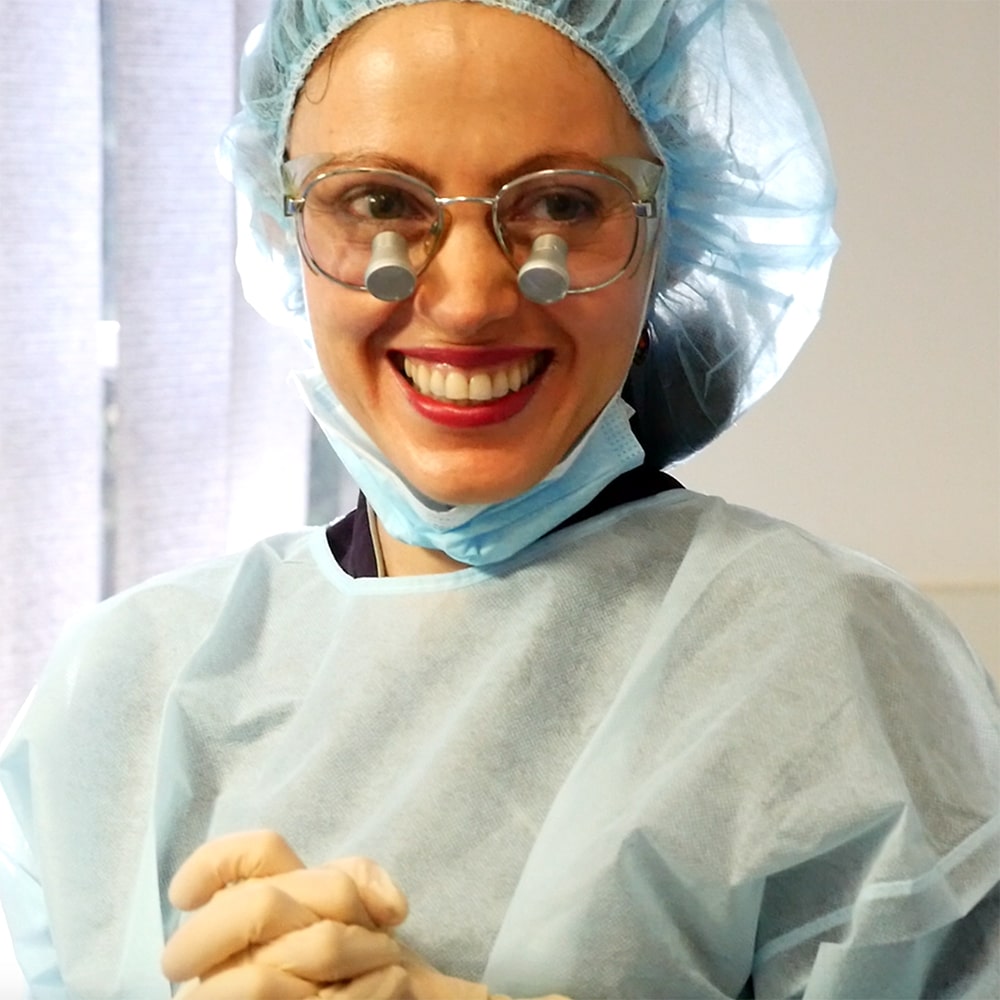
All about Dental Implants
If you are missing one or more teeth, then dental implants may be the answer. They are also the simplest and easiest way to replace problem teeth, they look natural and work as intended.
We understand the pain and frustration that you may be experiencing from having broken or missing teeth. Dr Helen is committed to repairing your natural teeth, but this is not always an option. So whether you’ve lost or damaged a tooth due to decay, injury, gum disease, or another factor, the best option for you may be a single implant or multiple dental implants.
What is a dental implant?
A dental implant is a titanium “root” used to support a porcelain tooth replica or a group of teeth. A typical implant consists of a fixture made of commercially pure titanium, which after three months, fuses to your jaw bone, in much the same way a replacement hip or knee does. A porcelain tooth (or teeth) is then attached to the implant or denture, locking it into place.
Should I get dental implants?
When considering dental implant surgery, most patients are unaware that their dentist will most likely refer them to one or more specialists at different stages of their treatment. This can be time-consuming, expensive and stressful. For long-term success, it’s important that the dentist you select to fit your implants understands and is qualified to handle all phases of implant treatment. As a graduate of the Brener Implant Institute, Dr Helen is extensively trained to perform all aspects of implant dentistry and with her surgical team can offer a solution that’s right for you. Some things to consider:
- Dental implants provide many advantages over dentures.
- Dentures can easily move or break, whereas dental implants are fixed into your jaw-bone.
- Implants look and feel like natural teeth, restoring a beautiful smile and your ability to chew.
- Implants provide a long-lasting, permanent solution to missing teeth.
- Implants help support adjacent natural teeth from moving, preventing alignment problems.
- Implants support and preserve bone in your mouth, unlike dentures, which can result in bone loss.
Are you ready to have confidence in your smile once again? Dr Helen can help to restore your smile with dental implants.
BEFORE & AFTERS
MELBOURNE’S LEADING COSMETIC DENTAL CENTRE






Which dental implant solution is right for you?
Dr. Helen can assist you in selecting the right dental implant solution for your needs. Typically, most patients decide on a dental implant solution that falls under one of three categories.
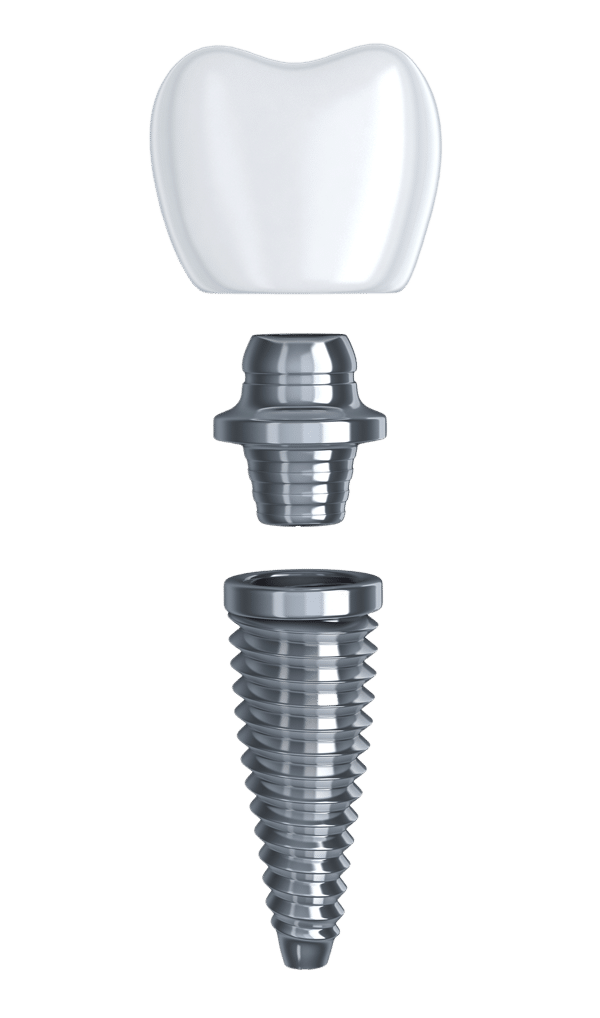
A single tooth implant
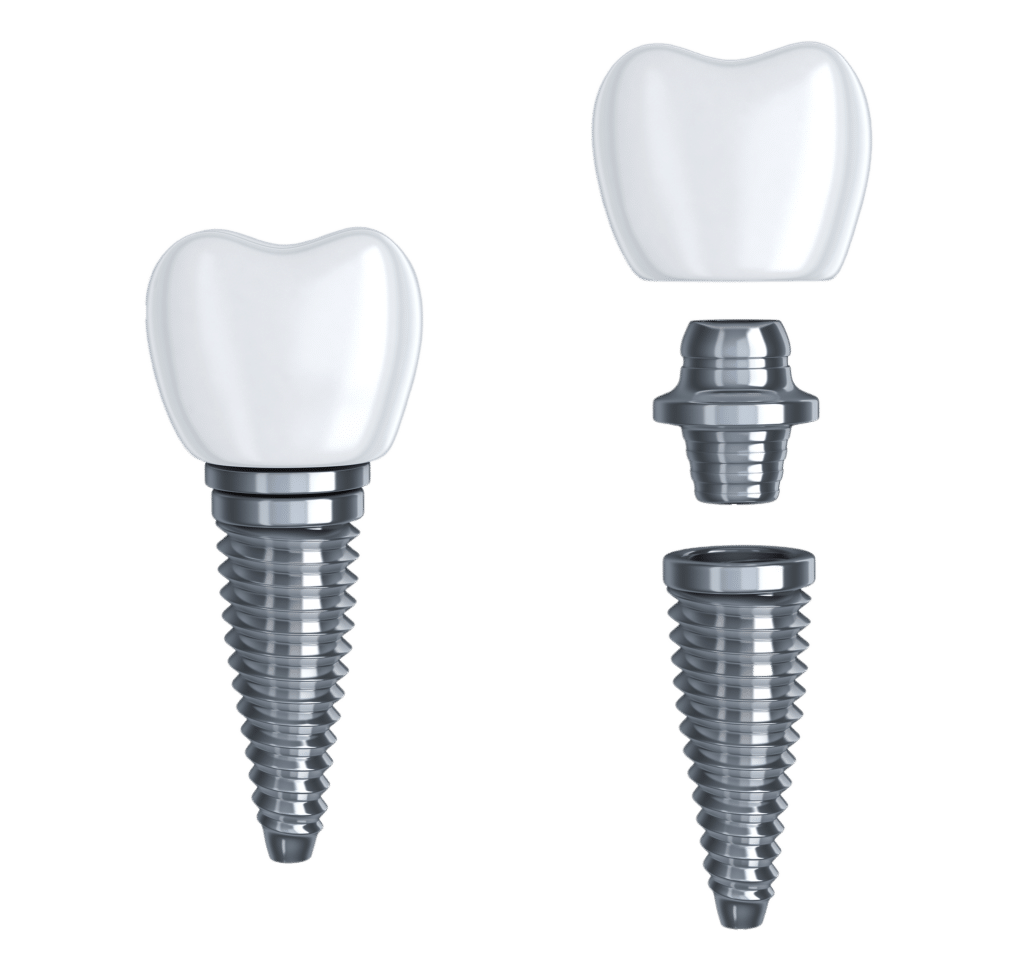
Multiple tooth implants
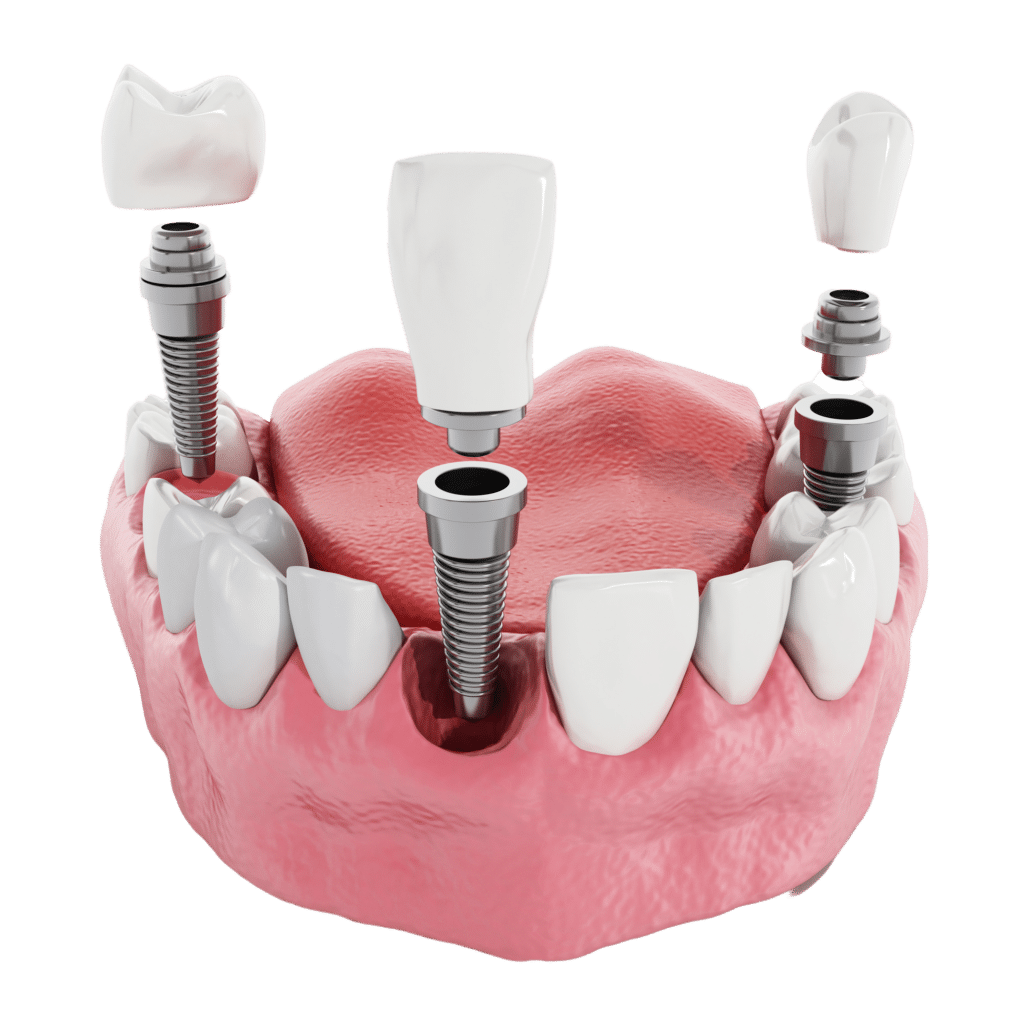
Full-mouth dental implants / Total teeth replacement
If you are missing a single tooth, or need to replace a damaged or rotten tooth, a single tooth dental implant may be the best approach. The process involves removal of your existing tooth and replacement with a titanium dental implant. This is then used to support a natural-looking porcelain tooth replica. Your adjacent natural teeth remain untouched.
If you have one or more non-adjacent teeth that need replacing, then multiple tooth implants are placed using the same approach as above.
If you require a full set of upper or lower replacement teeth, full mouth dental implants may be the solution for you. This is a full bridge of permanent replacement teeth fixed on 4 or 6 implants.
Do I need dental implants?
If you are still considering dental implants, here are some more good reasons why they might be the right choice for you:
- You have lost one or more of your original teeth.
- You’re tired of wearing dentures, find dentures uncomfortable and they affect your mouth mobility.
- You experience difficulty eating, particularly foods that require significant chewing.
- Your teeth seem to be moving or do not line up
- You want to improve your smile and feel comfortable showing your teeth.
- You have missing teeth that are affecting how you sound when you talk.
- Your teeth have changed your facial appearance.
- You have receding gums or gum disease.
If you are missing a single tooth, multiple teeth, or are wearing dentures, contact the studio to discuss your options with Dr Helen.
Google Reviews
Posted on Google
 Mark Norris
Trustindex verifies that the original source of the review is Google.
Dr Helen has always provided the highest quality dental care, coupled with her honesty and attention to detail I would highly recommend her to anyone requiring dental workPosted on Google A BDr Helen is lovely, professional and knowledgeablePosted on Google
 RKA big thank you to Dr Helen and her team at Dr Helens Dental & Implant Studio for the great dental service provided involving my dental bone grafting and tooth implant. I'm very pleased with the whole process from the initial informative consultation to walking out with a naturally appearing tooth implant many months later. Dr Helen’s thoroughness and professionalism in her work ultimately resulted in a positive journey for me and I am recommending Dr Helens Dental & Implant Studio for anyone requiring dental services.Posted on Google
 Joanne SinclairMY IMPLANT JOURNEY I have decided to share my implant journey hoping to help others in the decision-making process on dental implants. We all have a different story but here is mine. I had tried to maintain my own teeth but was at a point where I had lost a few and had multiple that had been repaired. The day came when I was eating and heard the dreaded crunch!! A front visible tooth had broken and fell out. That sinking hollow feeling was instant. I decided to look into full mouth implants, but where do I start? Like most people Google. The gravity of this decision was overwhelming not only the financial but fear if not done right what then? All my teeth would have been removed. I needed to have confidence that I was going to have the best chance of a successful treatment. I decided for me a local dentist was the right choice. I felt I needed a personal approachable service. I came across Dr Helens website after looking into her training and experience I began reading her articles. It was evident to me that she cared for her patients and understood that everyone’s expectations and limitations were different. I booked a consultation to discuss my options and a treatment plan. Dr Helen was compassionate to my fear of the process and importantly listened to me explain the impact my tooth deterioration was having on my everyday life. After examination I was given treatment options. One key difference I noted was Dr Helens treatment plan included 2 sets of bridges. The 1st temporary bridges 3-5 days post-surgery, then 5 months later once my jaw had healed, I would receive another full set of bridges. Dr Helen was happy to discuss and answer any questions I had. I felt she understood the enormity of the decision and didn’t rush me in any way. The outcome of this initial consultation was: 1. Treatment options given 2. Advised scan was needed to address variables such as bone density. 3. Advised of possible complications and how these would be addressed. 4. Provided with estimation of costs and referral for scan. The procedure required a general anesthetic, fortunately this is done at Dr Helens practice. The anesthetist contacted me and provided all relevant information. On the day of surgery, it was reassuring to walk in and know my surroundings and everyone. It was the usual friendly greeting I had come to know from Dr Helen and her staff. Dr Helen made sure I was ok and again gave me the opportunity to ask any questions. I went home that night with medications and reassurance to contact the practice If I had any questions or concerns. Post surgery I was never in pain or discomfort. Five days later I returned to have my temporary bridges fitted. I now had a smile I had not had for many years. It affected everything. I was happy all the time. I had my confidence back. I think because my dental problems were a gradual decline, I knew it was impacting my wellbeing but had underestimated just how much. Five months later with my jaw healed and my implants fused it was time for my final bridges. 1st was a trial fitting giving Dr Helen and myself the opportunity to discuss and request any adjustments to the laboratory. Final fitting. My temporary bridges were removed, and the final bridges screwed in place. I didn’t think there could be much improvement. I was very happy with my temporary bridges however the fit was amazing. They feel like my natural teeth. Being at the end of this journey I now understand the importance of 2 sets of bridges. Yes, I was happy with my temporary bridges, but my final bridges fit and feel amazing. I have no hesitation in recommending Dr Helen for your dental needs. She is genuine, kind, compassionate, non-judgmental and very approachable. I feel I was given detailed honest information on available options for my dental needs and the opportunity to discuss and make informed decisions on my treatment. I am extremely grateful to Dr Helen.Posted on Google
 PLI don't have a lot to add to the very positive reviews other than say my experience with Dr Helen has been excellent. This was for some complex work . The clinic is popular so an appt can take some time, though the staff have fitted me when an emergency occured.Posted on Google
 Irina GavrishI don't have the words to describe what a life changing experience having implants is. It's like being given a second chance in life. I lost all my teeth due to my fear of dentists. I would avoid going to a dentist until another tooth had to come out. Eventually I had almost none left. I tried to wear full dentures but I just couldn't eat with them as they rubbed and moved so much. I contemplated implants for so long but because of my fear, I just couldn't make the first step. When I met Dr Helen she put my mind at ease. She reassured me with honesty and explained what to expect. I felt comfortable and cared for. So I did go ahead with all on 4 implants. It wasn't easy but I don't regret my decision for a moment as I can now eat like I used to many years ago, and don't have to cover my mouth anymore. I can't say enough how well Dr Helen and her team looked after me. She is so approachable but professional. I had many questions and concerns and she made sure they were all attended too. She was available whenever I needed help, even after hours. I've been to many dentists in my life, and sadly I developed a phobia as a result, which was hard to shake, but this place is not like other dentists. Dr Helen really cares about her patients. You are not just a number. Unlike my previous experiences, she went well and truly out of her way to make sure I was comfortable. Her expertise and honesty paid off in the end as I followed her advice, and I couldn't be happier. I can't thank Dr Helen and her lovely team enough. My new smile has trully changed my life.Posted on Google
 Aurelija NavakasI would highly recommend Dr. Helen for cosmetic dentistry. Dr. Helen is a talented dental specialist with a genuine concern for her patients. I had an open discussion with Dr. Helen regarding my treatment, she gave me honest answers about what can & can't be achieved with the goal of achieving the best outcome for her patients. Her workmanship not only achieved but exceeded my expectations. I always dreamt since I was a child to have a perfect smile; Thank you Dr. Helen for making my dreams come true!Posted on Google
 Danielle GoonetillekeReally pleased with my first visit - all questions answered and super friendly. Thank you for your help.
Benefits of Dental Implants
There are so many benefits to restoring your mouth with dental implants. Here are some of our favourites.
You can eat anything you want with implants.
Implants are secured in the bone beneath the gum just like your natural teeth, which means they can withstand the force of chewing things that dentures can’t—nuts, crunchy fruits and vegetables, you name it! Chewing hard foods can be painful on dentures because they’re supported by your gum and not the bone, and it can lead to unnecessary wear and tear on remaining teeth who have to bear the brunt of the chewing duty.
Implants can actually be more cost-effective than a denture.
The cost of dental implants may seem considerably higher when compared to the cost of a denture. However, even great dentures wear down and often need to be repaired every few years. Most people replace their dentures every ten years or so. Implants don’t generally need repair or replacement as they’re surgically inserted into bone–saving you thousands in a lifetime, especially if only one or two teeth need an implant.
Implants don’t cause ulcers or rubbing.
Implant surgery is done under local or general anaesthesia, and once healed, feel like natural teeth. Dentures often rub and pinch, causing painful ulcers that can affect eating, speaking, and everyday life.
Dental Implants look natural
The process of dental implantology has advanced greatly in recent years, such that the materials and process used results in teeth that look almost identical to natural teeth.
Implants improve your smile and facial appearance
Clearly patients are looking forward to smiling once again with a full set of beautiful and natural-looking teeth, that fills in tooth or teeth gaps or replace dentures and damaged teeth.
Implants will also mean that Dr Helen will have had the opportunity to customise the size and shape of your new teeth, to align with and fit your jaw, resulting in improved oral hygiene, as well as improvements in jaw and gum health.
How Much Does it Cost?
One implant tooth replacement
$5000 - $5500 (EACH)
Two or more teeth replacement
$4500 - $5500 (EACH)
All on X (Upper or Lower)
$25000 - $30000
Smoking & dental Implants: What you need to know before having dental implants!
How do I take care of my dental implants at home?
Advantage of Dental Implants Over Bridges
2023 UPDATE – How much do implants cost in Australia and does Insurance help?

Watch how Peter’s life has been transformed: needle phobia and diabetes
Full Mouth Dental Implants: Goran’s Journey
Dental Implant Before and After: My Life-Changing Dental Transformation
Sharon’s journey at Dr Helen’s Dental & Implant Studio
How long before I can go back to work after implant surgery?
How does a dentist choose a dental implant?
I’ve been told I can’t have implants; is that true?
Will implants help me chew?

Pros and Cons of Dental Implants

Should I get cemented or screw-retained dental implants?
What does a dental implant feel like?
How do I maintain my implants following surgery?

Is everyone suitable to undergo implant surgery?

How much recovery time is required after implant surgery?
When should I consider dental implants?
What is the difference between implants and dentures?
How long will it take to get dental implants?
A common question we get asked by our patients trying to decide the best timeframe to plan their implant surgery is how long they can expect to be off work after implant surgery. It’s a great question, and most patients are surprised to hear that in some cases, they can expect to go back to work the very next day!
The recovery time varies depending on what type of implant surgery is being done and how extensive it is. For individual dental implants or bone grafting surgery, the surgery is minimally invasive and patients can return to work the next day with little to no discomfort.
For bigger procedures, such as complete teeth replacement or other implant procedures where we replace all teeth with implants and fixed bridges, we generally recommend that a patient takes about a week off of work. There can be bruising and swelling after the surgery, as well as some minor recovery expected after being under general anaesthesia if required.
The good news is that we prescribe medications before the surgery that help alleviate any pain, swelling and discomfort during the healing time, making the recovery time as easy as possible on our patients.
Click the dropdowns below or visit our dedicated Q&A page for more information.
If you’d prefer to speak to someone directly, contact Dr Helen on (03) 9510 5597 or book an initial consultation today.
Are dental implants painful?
Significant pain after dental implant treatment is uncommon. Most patients experience only mild to moderate discomfort, which is well managed with modern medications. A tailored combination of anti inflammatory pain relief, short term corticosteroids, and, where appropriate, antibiotics helps reduce swelling, support healing, and keep you comfortable, especially in the first few days.
Many patients who need dental implants have dental anxiety or even a long standing fear of the dentist. It is very common to feel nervous at the beginning. However, with careful planning, gentle techniques, and effective pain control, patients are often surprised by how manageable the experience is. By the end of treatment, many feel more relaxed and confident about dental care moving forward.
Can anything go wrong with dental implants?
Dental implants have a very high success rate and are considered a safe, predictable treatment. However, like any surgical procedure, there are potential risks. Choosing an experienced implant dentist and following all post operative care instructions play a key role in minimising complications.
Common and usually mild side effects:
After implant surgery, it is normal to experience some swelling, minor bleeding, light discomfort, or bruising. These symptoms are typically short lived and well controlled with medications. Most patients are pleasantly surprised by how manageable the recovery feels.
Infection is another possible complication, but it is uncommon when proper protocols are followed. Antibiotics are often prescribed to reduce this risk, along with an antibacterial mouth rinse such as chlorhexidine during the early healing phase.
In the upper jaw, dental implants are placed close to the sinus cavities. In some cases, an implant may extend into the sinus space. This often does not cause long term issues, but occasionally it can lead to sinus symptoms that may require further treatment or referral to a specialist.
Prosthetic issues can also occur over time. These are generally maintenance related, such as chipping or wear of the implant crown or components, and are usually straightforward to repair or replace.
Less common but more serious complications:
In some cases, the implant may fail to integrate with the bone. While this can be disappointing, it is not uncommon and can often be managed by replacing the implant after healing. This may extend treatment time and, in some cases, cost.
In the lower jaw, there is an important nerve called the inferior alveolar nerve, which provides sensation to the lower lip and chin. Although rare, this nerve can be affected during implant placement or bone grafting, leading to temporary or, in very rare cases, long term altered sensation. In many cases, this improves over time as the nerve heals.
Long term considerations:
Certain factors can increase the risk of complications over time. Smoking, uncontrolled diabetes, and some medications such as bisphosphonates can affect healing and the long term stability of dental implants. Careful assessment and ongoing maintenance are essential to ensure the best outcome.
How should you choose a dentist for dental implants?
Choosing the right dentist for dental implants is one of the most important factors in achieving a successful and long lasting result. While dental implant treatment is highly predictable, the experience and skill of the clinician play a key role in the outcome.
An experienced implant dentist should have strong clinical expertise, advanced training, and a proven track record in implant dentistry. Precision and attention to detail are essential, as implant placement requires careful planning and execution to ensure both function and aesthetics are achieved.
Equally important is trust and communication. A good implant dentist will take the time to explain your treatment clearly, outline all options, and discuss potential risks and expected outcomes. You should feel comfortable asking questions and confident that your dentist is genuinely focused on your wellbeing.
Personal recommendations can be very helpful, particularly from someone who has undergone similar treatment. If you do not have a referral, it is worthwhile meeting with a few dentists to compare approaches and choose someone you feel at ease with.
It is also important to remember that dental implant treatment is a surgical procedure. While complications are uncommon, outcomes can vary depending on individual factors such as general health, bone quality, and how well aftercare instructions are followed. The best results come from a combination of skilled surgical work and good patient cooperation during healing.
What is the cost of dental implants?
Dental implants in Australia typically cost $4,500 to $5,500 per implant, depending on the complexity of the case and the type of restoration required. For full arch dental implants, the average cost is usually $23,000 to $30,000 per arch.
The cost of dental implants reflects the level of precision, planning, and expertise involved in the treatment. Each case requires careful assessment, high quality materials, and experienced clinicians to ensure a predictable and long lasting result. Because implants are designed to function as a permanent tooth replacement, they are not easily reversible, and removing them can leave a deficit in the bone that may require further treatment.
For this reason, getting the procedure done correctly the first time is essential. The experience of the dental team, the quality of materials used, and the standard of ongoing care all play an important role in both the outcome and longevity of your implants.
Dental implant treatment is a significant investment, but it can provide a stable, functional, and natural looking solution that supports long term oral health and quality of life.
Payment options are often available, including staged payments over the course of treatment, and in some cases, access to superannuation on compassionate grounds through the Australian Taxation Office.
How can you afford dental implants?
Dental implants are a significant investment, but there are several ways patients manage the cost depending on their circumstances.
Savings or personal funds
Some patients choose to pay upfront using savings or available funds, allowing them to complete treatment without ongoing repayments.
Payment plans
Many clinics offer payment plans designed for medical and dental treatments. These allow you to proceed with implants now and pay over time, often over 1-7 years.
Superannuation (compassionate release)
You may be able to access part of your superannuation on compassionate grounds to cover dental implant treatment. This requires an application through the Australian Taxation Office, supported by your GP or dentist, particularly if there is pain or significant dental issues.
How long does dental implant treatment take?
Dental implant treatment is carried out in stages and the overall timeline can vary depending on each individual case. After initial consultation, treatment planning, and any necessary preparation, the implant is placed during a minor surgical procedure.
Once the implant is placed, it needs time to integrate with the jawbone in a process called osseointegration. This healing phase typically takes around 3 to 5 months, during which the implant becomes firmly anchored and stable within the bone.
After successful integration, the final crown or restoration is attached to the implant, completing the treatment and restoring function and appearance.
In some cases, additional procedures such as bone grafting may be required to build up sufficient bone before an implant can be placed. If this is needed, the healing and bone regeneration process can take an additional 5 to 9 months before implant placement can proceed.
Overall, while the process can take several months, this staged approach is essential to achieving a strong, stable, and long lasting result.
Can smokers have dental implants?
Smoking does not automatically rule out dental implants, but it does increase the risk of complications and lower overall success rates. Smoking reduces blood flow and oxygen supply, which can impair healing after surgery and affect how well the implant integrates with the jawbone.
Patients who smoke are more likely to experience delayed healing, infection, and, in some cases, long term implant complications. For this reason, we strongly encourage patients to quit smoking before and after implant treatment, as this significantly improves the chances of a successful and long lasting result.
We understand that quitting smoking can be challenging. If you are considering dental implants, we can discuss strategies to support you and, where appropriate, prescribe medications or provide guidance to help with smoking cessation.
If you are not ready to quit, it may still be possible to proceed with treatment. However, it is important to be aware that both short term healing and long term implant success rates may be reduced.
What is the success rate of dental implants?
Dental implants have a high success rate, with many studies reporting around 90–95% success over 10 years, particularly for well planned and properly maintained cases. However, it is important to understand what “success” actually means, as it can be measured in different ways.
For some, success refers to the implant integrating with the bone and remaining stable over time. For others, it may mean the implant continuing to function well without complications, or the prosthetic teeth maintaining their appearance and durability. From a patient perspective, success is often also defined by comfort, confidence, and satisfaction with their smile over the long term.
In reality, implant success depends on several factors working together. These include the quality of planning and surgical placement, the condition of the bone and gums, overall health, and how well the implants are cared for after treatment. Even with ideal conditions, implants do not succeed 100% of the time, and in some cases, complications or implant failure can occur.
Lifestyle factors such as smoking, uncontrolled medical conditions, or poor oral hygiene can also reduce the likelihood of long term success. Conversely, good maintenance, regular reviews, and proper home care significantly improve outcomes.
Dental implants are a highly effective and predictable treatment, but they are not a perfect substitute for natural teeth. With the right planning, surgical skill, and ongoing care, they can provide a stable, long lasting solution for replacing missing teeth.
What is the warranty on dental implants?
Dental implants are a long term medical treatment rather than a standard product, so they cannot be “guaranteed” in the same way as a manufactured item. Their success depends on multiple factors, including treatment planning, surgical precision, your overall health, and how well you care for your implants over time.
At a clinical level, we are committed to providing the highest standard of care. This includes careful planning, precise placement, and ongoing support to give your implants the best possible chance of long term success. However, like any surgical procedure, outcomes can vary and cannot be guaranteed with absolute certainty.
In many practices, a limited warranty or guarantee may be offered, provided you attend regular review appointments and follow recommended maintenance and hygiene protocols. This ensures your implants are monitored and maintained appropriately over time.
Ultimately, the most important “warranty” comes from a combination of factors working together: accurate treatment planning, experienced surgical care, good overall health, consistent home care, and regular professional maintenance. When these elements align, dental implants have an excellent chance of long term success and function.
What will my dental implants look like?
The goal of dental implant treatment is to create a result that looks as natural and seamless as possible. We design each implant crown to match the colour, shape, and size of your surrounding teeth, so it blends in with your existing smile.
If the tooth that is being replaced, had a crown, please retain it, as can be used as a reference, it may be helpful to provide it to the dental technician. This allows for more precise shade matching and a more natural looking result.
Where possible, we aim to preserve your existing gum architecture so that the gum can drape naturally around the implant crown, creating a realistic appearance.
In some cases, especially when teeth have been missing for some time, there may be a loss of gum or bone in the area. To restore aesthetics, we may use techniques such as gum (soft tissue) grafting or bone grafting to rebuild the natural contours. This helps support the implant and improves the overall appearance.
If gum tissue cannot be fully regenerated, pink porcelain may be used as part of the restoration to recreate the appearance of natural gum. While it does not perfectly replicate natural tissue, it can still achieve a highly aesthetic and harmonious outcome.
What is an implant bridge?
An implant bridge is a type of dental restoration where two or more dental implants are used to support a bridge of multiple replacement teeth. Instead of placing an implant for every missing tooth, a series of implants can support several teeth together in a cluster.
This approach is similar to a traditional tooth supported bridge, but instead of relying on natural teeth for support, the bridge is anchored to implants. This allows multiple missing teeth to be replaced efficiently, often reducing the overall cost per tooth compared to placing individual implants for each missing tooth.
Can dental implants break?
Dental implants are made from very strong and durable materials such as titanium and zirconia, and are designed to withstand normal biting and chewing forces. However, like any structure under long term use, components can wear or, in some cases, fracture over time.
An implant system is made up of several parts, including the implant fixture, the abutment, the crown, and the connecting screws. While it is uncommon, any of these components can be affected by excessive force or long term stress.
One of the most common contributing factors to implant damage is grinding or clenching of the teeth, also known as nocturnal bruxism, particularly during sleep. Night time grinding places significant pressure on the implants and surrounding structures. Wearing a protective night guard (occlusal splint) is often recommended to help reduce this risk and protect your implant restoration.
With good planning, proper bite adjustment, and appropriate maintenance, implant components are highly durable and can last for many years.
Can dental implants still be maintained if I move overseas?
Yes, dental implants can generally be maintained if you move overseas. Implant care is a routine part of dental practice, and most experienced dentists around the world are able to provide ongoing maintenance, reviews, and repairs when needed.
Compatibility and availability of parts
Although all dental implants work on the same principle, implant systems are brand specific. It is helpful to keep a record of the exact brand and components used, and where possible, obtain spare parts before you move.
Ongoing maintenance and care
Most implant dentists or general dentists with implant experience can carry out routine maintenance, minor adjustments, and monitoring to ensure everything remains stable.
If you require repairs, such as a chipped crown or a loose component, these can usually be managed without needing to return to your original dentist. It is helpful to bring your treatment records with you, including details of your implants and any specific care instructions.
Finding a dentist overseas
When relocating, it is important to establish care with an experienced implant dentist or prosthodontist in your new location. Providing them with your dental history will allow them to continue your care effectively and support the long term success of your implants.
Will I still have enough bone for dental implants if my teeth have been missing for years?
In many cases, yes. Even if teeth have been missing for a long period, it is still often possible to place dental implants successfully. However, the condition of the jawbone varies from person to person and needs to be assessed individually.
A 3D CBCT scan allows us to determine whether there is sufficient bone to support implants, or whether regenerative grafting is required.
If there is some bone loss, there are still treatment options available. In certain situations, bone grafting can be used to rebuild the site before implant placement. In other cases, adjustments to the treatment plan, such as using different implant positions or additional implants, may help achieve a stable and successful outcome.
Even if it has been many years since your teeth were lost, this does not necessarily rule you out as a candidate for dental implants. With thorough assessment and careful planning, many patients can still achieve a successful and long lasting result.
Will Medicare pay for dental implants?
In Australia, Medicare does not cover dental implants, regardless of whether it is a single implant, multiple implants, or a full mouth restoration. Dental implant treatment is generally considered an elective procedure and falls outside of standard Medicare benefits. This means that patients are typically required to fund dental implant treatment privately.
If my dental implants fail the first time, can they still work the second time?
In most cases, yes. If a dental implant does not successfully integrate the first time, it can often still be placed again with a good chance of success.
While no medical or surgical procedure can ever be guaranteed, repeat implant treatment is commonly successful, particularly when the underlying cause of the initial failure is identified and addressed. This may involve modifying the treatment plan, improving healing conditions, or adjusting timing before placing a new implant.
In some situations, additional bone grafting may be required before attempting implant placement again.
The key to a successful outcome the second time is careful assessment, proper planning, and addressing any factors that may have contributed to the initial failure.
Should you consider a periodontist or maxillofacial surgeon for dental implants?
When it comes to dental implants, choosing the right clinician is more important than the specific title. Periodontists and oral and maxillofacial surgeons have specialist training in gum health, bone, and surgical procedures, which can be valuable for more complex implant cases.
However, experience with dental implants is often the key factor. A dentist who regularly places and restores implants and has a strong track record of successful outcomes may be equally, or sometimes more, suitable depending on your individual needs.
When selecting a provider, it is important to look beyond qualifications alone. Consider their experience, the number of implant cases they have completed, and the quality and longevity of their results. Before and after photos, patient reviews, and examples of long term outcomes can help you assess their work.
A detailed consultation is also essential. This is your opportunity to discuss your goals, understand the proposed treatment plan, and ensure you feel confident in the clinician’s approach.
In the end, the best choice is a practitioner who combines surgical skill, careful planning, and attention to detail, with the ability to deliver dental implants that are both functional and natural looking over the long term.
Which is better: titanium or zirconia dental implants?
Titanium implants are considered the gold standard in dental implant treatment. They are extremely strong, highly reliable, and have been used successfully for decades with well documented long term outcomes.
Zirconia implants are a newer alternative and are still evolving. They can be a good option for patients with a confirmed sensitivity or allergy to titanium alloy. However, they are not suitable for every situation and require careful case selection.
Zirconia implants are generally more suitable for front teeth and areas with lower biting forces. They may be less predictable in the back of the mouth, where chewing forces are higher, and are not ideal for patients who grind or clench their teeth, as this increases the risk of fracture.
Even with zirconia implant systems, some components, such as the connecting (prosthetic) screw, are still typically made from titanium, as zirconia screws are not strong enough for long term use. These components are internal and not visible once the restoration is complete.
The choice between titanium and zirconia depends on your individual circumstances, bone quality, bite forces, and overall oral health. A thorough assessment by an experienced implant dentist is essential to determine the most suitable option for you.
Why does a dental implant feel loose?
A dental implant itself is designed to be stable and fuse with the jawbone. If something feels loose, it is important to determine exactly which part of the implant system is affected, as there are several components involved, including the implant fixture, the abutment, and the crown.
In many cases, the issue is not the implant itself, but a component such as a loose or worn screw connecting the crown to the implant. This can create movement, clicking, or a change in how the bite feels. These issues are often manageable and may simply require tightening or replacement of parts.
If the implant restoration does not fit properly or has developed wear over time, it can place uneven stress on the components, leading to loosening. In some cases, a new or adjusted restoration may be needed to ensure a better fit and stability.
More rarely, the implant itself may be affected. This can occur if the implant has not fully integrated with the bone or if there are biological factors such as infection or bone loss. In these situations, further treatment may be required.
Certain lifestyle and health factors, including smoking, poor oral hygiene, or uncontrolled medical conditions, can also contribute to implant complications over time.
Should you replace your teeth with dental implants or try to save them?
When deciding between restoring your natural teeth or replacing them with dental implants, the goal is always to choose the most predictable, long lasting, and conservative option for your situation.
When is it better to save your natural teeth?
If your teeth can still be restored, this is generally the preferred approach. Modern dentistry offers many ways to repair and strengthen damaged teeth, including fillings, crowns, root canal treatment, veneers, orthodontics, and gum therapy.
Preserving your natural teeth helps maintain jawbone support, natural sensation, and biting function. It also avoids the need for irreversible procedures such as extractions and full tooth replacement.
When are dental implants the better option?
Dental implants are usually recommended when teeth are no longer viable or have a poor long term prognosis. This may include severe decay, advanced gum disease, significant bone loss, or repeated treatment failures.
In these cases, replacing the teeth with implants can provide a stable, functional, and long lasting solution. Implants can restore chewing ability and appearance when natural teeth can no longer be saved.
Why careful assessment matters
Each case is different, and the decision should be based on clinical findings, long term outcomes, and your overall oral health. A thorough examination, including imaging and treatment planning, is essential to determine the best approach.
In most situations, preserving natural teeth is preferred where possible, with dental implants reserved for when they offer a more predictable and reliable long term solution.
If you don’t have enough bone for dental implants, what are your options?
Not enough bone doesn’t always mean you can’t have implants. There are several treatment options depending on how much bone is available and your overall oral health.
Bone grafting and implants
Bone grafting rebuilds lost bone so implants can be placed later. This may include sinus lifts or vertical and horizontal defect grafting procedures. While it adds healing time, it can allow for standard dental implants in many cases.
Conventional dentures
If implants are not suitable, dentures can still restore function and appearance. They are less stable than implants but remain a reliable non-surgical option.
Who is a good candidate for dental implants?
Dental implants are suitable for patients who are missing one or more teeth and want a fixed, long-term replacement option.
Missing one or multiple teeth
Implants can replace a single tooth, several teeth, or support bridges when multiple teeth are missing.
Healthy gums and good oral hygiene
Candidates should have healthy gums or treated gum disease, and be committed to maintaining good oral hygiene.
Adequate bone volume
Sufficient jawbone is needed to support an implant. If bone is limited, bone grafting may be recommended.
Good general health
Conditions such as uncontrolled diabetes or heavy smoking can affect healing and implant success, so overall health is an important factor.
Looking for a long-term solution
Dental implants are designed to look, feel, and function like natural teeth, making them a durable and stable option.
Not suitable for everyone
A thorough assessment is required. In some cases, alternative treatments such as bridges or dentures may be more appropriate depending on bone levels, health, and treatment goals.
Will dental insurance pay for Dental Implants?
In most cases, dental insurance does not fully cover Dental Implants.
Private health insurance (Australia)
Some private health funds may provide partial rebates for parts of the treatment, such as consultations, X-rays, extractions, or components of the prosthesis. However, the full implant procedure is usually not covered.
Medicare
Medicare generally does not cover Dental Implants. Limited coverage may only apply in specific medical cases treated in a hospital setting.
Key takeaway
Dental Implants are typically considered a major out-of-pocket treatment, so it’s important to check your private health insurance policy and discuss payment options with your dentist.
What are the components of a dental implant?
A dental implant is made up of three main parts that work together to replace a missing tooth.
1. Implant fixture (the implant)
This is a small titanium post placed into the jawbone. It acts as an artificial tooth root and provides a stable foundation for the replacement tooth.
2. Abutment
The abutment is a connector that attaches to the implant and supports the final restoration. It helps position the crown correctly and ensures a secure fit.
3. Crown (the tooth)
This is the visible part of the implant that looks like a natural tooth. It is custom made to match the shape, size, and colour of your surrounding teeth and is typically made from materials such as porcelain or zirconia.
Is it better to get dental implants in Melbourne or overseas?
You can get dental implants overseas, but it comes with higher risk, particularly when it comes to follow up care and managing complications.
Continuity of care matters
Dental implants require careful planning, staged treatment, and long term follow up. In Melbourne, your dentist can monitor healing, make adjustments, and manage any issues over time. Overseas treatment is often compressed into a short timeframe, which may not suit proper healing.
If something goes wrong
Complications do not always happen immediately. If problems arise after you return home, it can be difficult to access the original provider. Local dentists may also struggle to help without records, implant details, or compatible components.
Implant systems and parts
There are hundreds of implant brands worldwide, and not all are approved or commonly used in Australia. This can make repairs or maintenance more complex and sometimes more expensive.
Standards and regulation
Dental treatment in Australia is regulated by strict professional standards, ensuring consistency, safety, and accountability. This level of oversight is not always the same overseas.
Is it really cheaper?
While upfront costs may appear lower, it is important to consider travel expenses, time off work, and the potential cost of complications or corrective treatment.
Is the brand of dental implant important?
The brand of dental implant is not the most important factor. What matters more is the quality of the implant system, how it is used, and the experience of the clinician placing it.
Many modern implant brands produce high quality, reliable products, so patients do not need to focus on marketing claims about one brand being “better” than another.
What matters more than brand:
- Careful treatment planning and surgical skill
- Use of TGA-approved implant systems in Australia
- Availability of parts and components locally
- Long term clinical support and follow up care
A reputable implant system should be well supported, with readily available components in case maintenance or repairs are needed in the future.
How do you prepare for dental implant surgery?
Preparing for dental implant surgery is straightforward, but a few key steps can make recovery smoother and more comfortable.
If you are having general anaesthesia:
- Fast before surgery: No food or drinks for at least 6–8 hours, including water or chewing gum
- Wear comfortable clothing: Loose, soft clothing helps you feel more relaxed
- Arrange transport: You will need someone to drive you home and stay with you for a few hours
- Plan time off: Most patients take about a week to rest and recover
If you are having local anaesthetic or sedation:
Fasting is usually not required, but always follow the specific instructions provided by your dental team.
How to prepare at home:
- Stock up on soft foods such as soups, mashed potatoes, and smoothies
- Avoid smoking and alcohol before and after surgery, as they can affect healing
- Set up a comfortable recovery space with pillows, medications, and easy access to essentials
How do you maintain dental implants?
Daily care
Each implant should be cleaned daily with floss by wrapping it around the implant and moving it in a back-and-forth motion on both sides. Spend three seconds on each surface to remove plaque and reduce the risk of infection and bone loss.
Lifestyle factors
Smoking significantly increases the risk of implant failure and complications. Maintaining a healthy lifestyle supports long-term implant success.
Regular dental reviews
Routine check-ups and professional cleans are essential to monitor implant health, assess the surrounding gums, and address any early issues.
Why maintenance matters
Even the most well-placed dental implants can fail without proper care. Long-term success depends on a combination of good surgical planning and consistent at-home maintenance.